
If you’ve felt like hospitals are “doing better, but still stressed” lately, that’s basically the 2026 story in one sentence. Nationally, hospital performance stabilized compared to the worst of the post-pandemic financial whiplash, but it’s not a victory lap.
Estimates indicate that more than 750 inpatient hospitals nationwide are at risk of closure over the next 7 years, with 40% at risk within the next year or two. It’s more “We’re above water, but the waves are still big, and some boats are taking on water.”
When hospitals accounted for 40% of national health spending growth from 2022-2024, it’s even more critical for agents to understand the financial health of hospitals in our country. Let’s translate what the latest numbers and 2026 outlook mean in plain English and why it matters to you as an insurance agent.
The Quick Snapshot is Margins Are Positive, But Not Comfortable
One of the cleanest “how are we doing?” indicators is operating margin. Kaufman Hall’s National Hospital Flash Report, based on data from over 1,300 hospitals, shows that year-to-date hospital operating margins were around 2.0% with allocations as of November 2025, and 5.6% without allocations.
That sounds “okay” until you remember what margins are supposed to do for hospitals:
- Fund staffing investments.
- Upgrade aging equipment and facilities.
- Keep service lines such as OB, behavioral health, and rural EDs open.
- Absorb bad-debt or uncompensated-care swings.
- Survive payer mix shifts, including growth in Medicare and Medicare Advantage, Medicaid redeterminations, and more.
This financial margin for hospitals is very low for maintaining profitability. In some cases, it’s not enough to maintain operational viability.
Why Hospitals Still Feel Squeezed in 2026 Even with “Better” Margins
Volume is inconsistent, and expenses don’t decline quickly.
Kaufman Hall’s key takeaways in late 2025 were:
- Performance dipped month-over-month
- Volumes decreased across services, and
- Expenses rose on a volume-adjusted basis while revenues did not.
This is a significant issue because hospitals can’t “right-size” costs as quickly as volume changes. You don’t lay off half an ER team because Tuesday was slow.
Labor is still the heavyweight champ of hospital costs.
The American Hospital Association (AHA) reports that compensation and related expenses are ~56% of total hospital costs. Even if supply chain inflation cools, staffing pressure keeps costs on the floor, especially for hard-to-fill clinical roles.
Government reimbursement remains below cost for many systems.
AHA also highlights the reimbursement mismatch: Medicare covered about 83 cents per dollar of hospital spending in 2023, contributing to significant underpayment pressure. In 2026, that gap matters even more because the country is aging, Medicare and Medicare Advantage lives are growing, and hospitals are taking more complex cases.
“Stabilized” doesn’t mean safe.
Vizient’s 2026 outlook indicates margins have stabilized but remain fragile, with greater variation across organizations and a heavier reliance on commercial reimbursement. Yes, some health systems are genuinely recovering, but others are one destructive contract cycle away from service cuts.
The “Two-Hospital America” Trend of Splitting Performance
Agents should understand that in 2026, averages hide extremes in hospital performance.
- Large, well-capitalized systems often have more substantial contracting leverage, greater scale, and stronger cash positions.
- Smaller community, rural, or safety-net hospitals tend to feel payer mix pressure more acutely, especially when their payer mix is heavily Medicaid- and Medicare-based, which reduces flexibility.
This is why you see contradictory headlines like “Hospital margins improving” and “Hospitals facing financial headwinds.” Both can be true at the same time, depending on which hospitals you’re talking about.
What This Means for Insurance Agents
Networks will continue to change, and we should expect “narrowing” pressure.
When hospitals are financially constrained, they negotiate more aggressively. Payers respond by tightening networks or pushing steerage to lower-cost care sites.
Always check:
- Network status for major local systems
- Facility coverage for inpatient admissions
- Whether a “must-have” hospital is in-network for the plan year you’re selling.
Prior authorization and site-of-care policies aren’t going away.
Hospitals want higher reimbursement; payers want utilization control. That tension becomes:
- Stricter prior authorization
- Higher scrutiny on short stays vs inpatient admits
- More care is moving to outpatient when possible.
Your best retention tool is to set expectations early by saying something like, “This plan is strong, but authorizations are part of how premiums stay in check.”
Medicare Advantage conversations get trickier around admissions.
Hospitals are closely monitoring admission status decisions, observation stays, and the speed of post-acute placement approvals. When clients complain about hospital billing confusion, it often traces back to:
- Inpatient vs observation classification
- Post-acute approvals on SNF or home health
- Plan rules, not hospital error
Watch employer plans and commercial rate dynamics.
If hospitals rely heavily on commercial reimbursement to offset government underpayment, commercial negotiations remain intense to drive premium pressure and benefit redesign. For groups, start positioning:
- Level-funding conversations
- Reference-based pricing where appropriate
- Stronger steerage tools to centers of excellence and bundled surgery options
What You Should Have on Your 2026 Agent Radar
- Hospital margin trendline – are margins holding around that low-single-digit range, or slipping?
- Labor cost stickiness remains the dominant expense category.
- Medicare and Medicare Advantage growth effects – how does the hospital payer mix of more lives and reimbursement compression impact inpatient hospital bottom lines?
- Utilization rebound – some large systems cite continued demand that’s helpful for revenue, but it can also drive payer tightening.
- Local hospital service line changes – OB closures, behavioral health capacity, and rural ED risk often show up before the public realizes the hospital is stressed.
This is an ongoing issue that all insurance agents need to be aware of.
The Agility Difference
Agility will provide updates on this critical issue to empower you to become a top agent. As the insurance market continues to evolve, Agility gives you access to our team’s expertise to position you for growth.
- Local market managers who offer regional insight and grassroots intelligence about what’s happening in your markets.
- Dedicated Producer Support at (866) 590-9771 or support@enrollinsurance.com to answer any insurance questions and direct you to our Medicare, ACA, and ancillary experts. They can also add you to our weekly email list for tips and updates.
Let Agility empower you to evolve your capabilities and capture the opportunities in 2026.
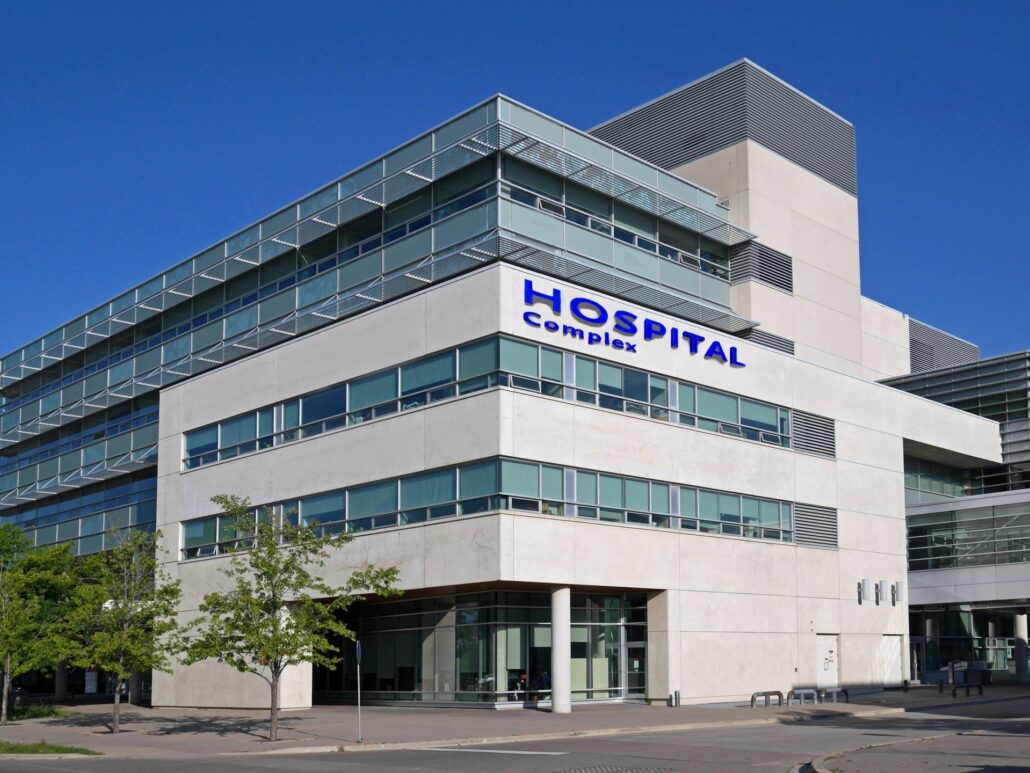
With all the recent headlines, you probably didn’t notice a growing trend: Hospitals are shutting down at an alarming rate. Becker’s Hospital Review reports since the start of 2025, 10 inpatient hospitals have closed.
With 13 hospitals closing in 2023 and 25 more closing in 2024, we’re currently on pace to have 36 hospitals close in 2025. So, what’s going on, and more importantly, what does this mean for insurance agents like you?
Why Are Hospitals Closing Now?
The same Becker’s Hospital Review answers this question, reducing it to a lack of money, staffing, and changing healthcare trends.
- Financial Problems
Many hospitals face the perfect financial storm of rising costs and low insurance reimbursements. Last week’s article about the “Rural Healthcare Crisis” focuses on rural hospitals, but these same pressures are felt everywhere in America.Hospitals are beginning to cope with the storm by reducing staff. Becker’s Hospital Review reports on staff reductions occurring across the country.
When staff reductions no longer work, the next option is closing down.
- Staffing Shortages
Hospitals aren’t immune to the shortages we discuss in our article “The Growing Pandemic of Healthcare Provider Shortages.” There aren’t enough doctors, nurses, or support staff to run these facilities properly.
Then the hospital cuts staff and things worsen, adding more burnout for existing staff who must cover holes and making it harder to retain them. Keeping current revenue flow is much more challenging as these hospitals don’t have enough staff to maintain patient care and service.
Adding new patients to generate new revenue is almost impossible, as there is no additional staff available for new care or services.
- Fewer Patients Staying Overnight
Inpatient hospitals are seen by insurers as cost centers. In response, insurers want more inpatient care to shift to lower-cost outpatient centers and urgent care. When fewer people need overnight stays, hospitals lose revenue.
Possible Solutions?
- Expand Outpatient and Preventative Care
Expanding outpatient services, urgent care centers, and preventative care transforms inpatient hospitals from a “cost center” to a “care partner” for insurers. This action fundamentally shifts this pivotal relationship from an “adversarial” to a “collaborative” one.
Insurers can direct care and revenue to inpatient options for outpatient, urgent care, and preventative services.
- Boosting Inpatient Hospital Workforce
In addition to better pay and improved working conditions, student loan forgiveness programs, direct partnership programs with medical schools, and other provider certification programs can facilitate employment and attract and retain hospital medical staff.
- Encouraging Public-Private Partnerships
Our “Rural Healthcare Crisis” article mentions collaborations between public-private partnerships to address the rural healthcare crisis. This collaboration will need to create sustainable healthcare solutions in high-risk areas like low-income urban areas, where revenue challenges exist for inpatient hospitals that are similar to the rural sector.
How This Affects Insurance Agents
What does this mean for you as an insurance agent or broker? Hospital closures shake up the healthcare landscape, creating new coverage and care concerns for your clients. Here’s what you can do to help:
- Guide Clients Through the Shift to Outpatient Care
With fewer hospitals, more people will rely on outpatient clinics and urgent care. Help clients find insurance plans with solid benefits for these services, a great provider network in their area, and a great telemedicine program, too.
- Prepare Clients for Rising Healthcare Costs
When hospitals shut down, the remaining ones often get busier and charge more. These same surviving hospitals will also charge more to generate more revenue.
Insurers will respond to the higher costs inpatient hospitals charge with higher premiums, deductibles, and copays. Be ready to explain these changes and help clients find other solutions to cover these higher costs.
- Sell More Supplemental Coverage
Hospital indemnity plans, critical illness coverage, and accident insurance are great solutions to present clients. When you contact them, ensure the client you have these solutions that fit their needs and circumstances.
- Keep Employers Informed
If you sell group benefits, your employer clients must know how hospital closures impact their employees. Talk with them about adjusting their plans to maintain a robust provider network to meet network adequacy requirements on their plans.
- Know What Alternative Care Options Are Available to Clients
More hospitals will close, so you need to be ready with care alternatives your clients can access. These options could be concierge medicine or direct primary care memberships available in their areas. You can partner with them to direct them to care options if needed.
Hospital closures are reshaping healthcare in a big way and are expected to continue, so insurance agents are in a prime position to successfully navigate clients through these changes. Stay close to Agility for the latest news on inpatient hospital closures and other news impacting financial status.
Our national insurance product portfolio provides agents with coverage solutions, empowering clients to successfully navigate these closures and the higher costs they generate. Agents can access these options on our contracting page.
Contact Agility now at (866) 590-9771 or email support@enrollinsurance.com to find the specific coverage solutions your clients need to meet their particular needs and concerns. Agility can also add you to our free weekly email list for tips and vital information!